Practice tips and app news
Short posts from X and Facebook, newest first. Longer guides are in the articles on each app page.
Want a quick way to sharpen visual span and short-term memory? The Speed Reading Game flashes a short string of characters and asks you to type it back. It's a focused flash-and-recall drill that fits into short, distraction-free sessions. Try it and see how a few minutes of practice can fit into your daily routine. This is a focus and memory drill, not a way to multiply your reading speed. If you want a quick exercise right now, read a page, close it, and write a two-sentence summary. Or have someone flash a 5-character string for half a second and write it down. Google Play
Do you find yourself rereading passages to keep up? I've been experimenting with short, distraction-free sessions that end with a quick recall of what you just read. The Speed Reading Game uses flash-and-recall drills to train visual span and short-term memory, but it's not a magic multiplier of speed. I've seen people keep sessions brief, remove distractions, and then summarise what they just read to improve attention and retention. How do you structure your reading practice to stay focused and avoid unnecessary re-reads? If you're curious, you can try it here: Google Play
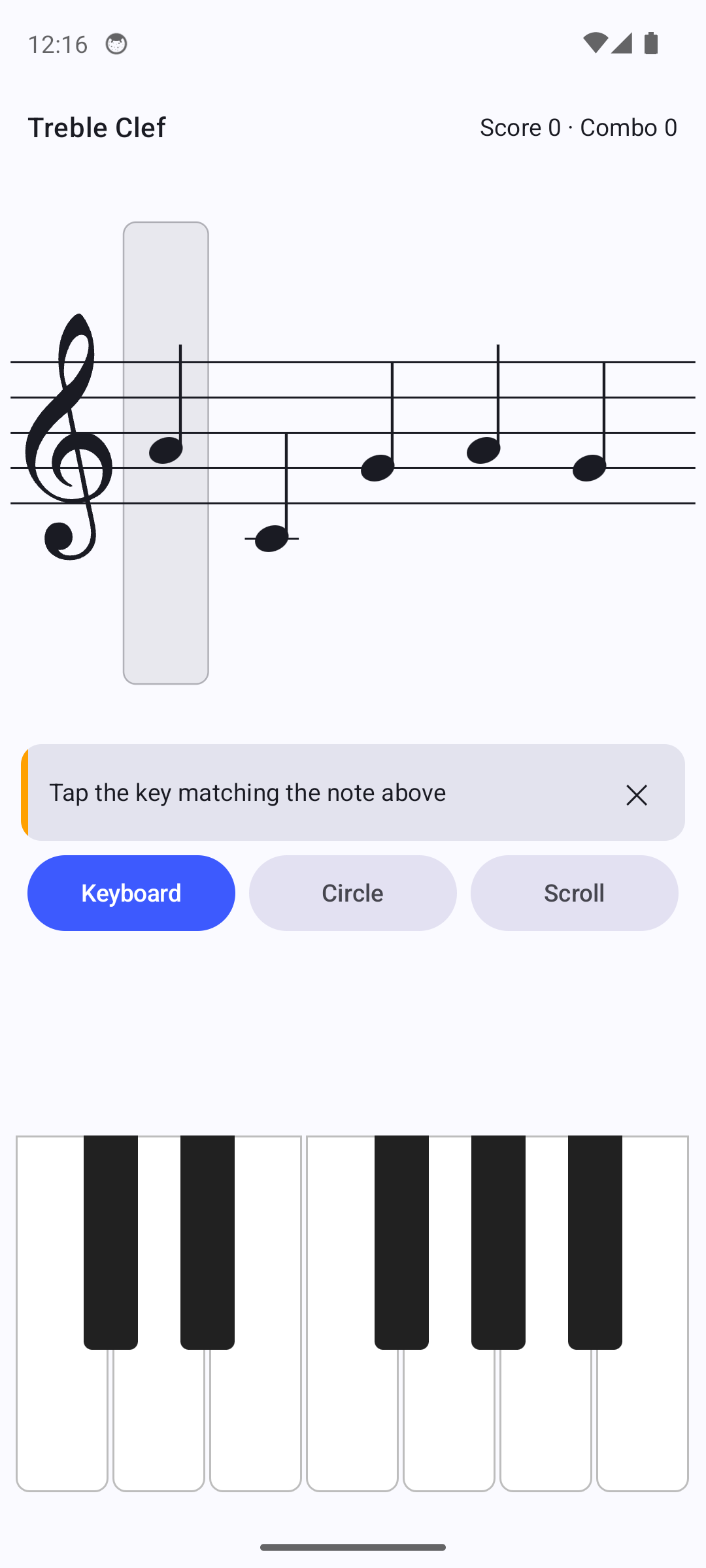
Start each practice by locating middle C, the G line, F line, and the ledger-line Cs. Then read other notes as steps or skips from those anchors instead of counting from middle C. Try it today with Sight Reader: Google Play
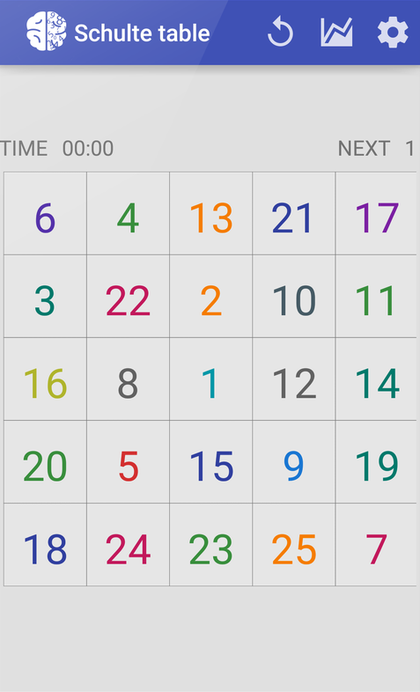
Try a 5x5 Schulte table: find numbers in order while keeping your gaze fixed. It trains peripheral vision and visual search speed. Use it daily as a quick warm-up. Google Play
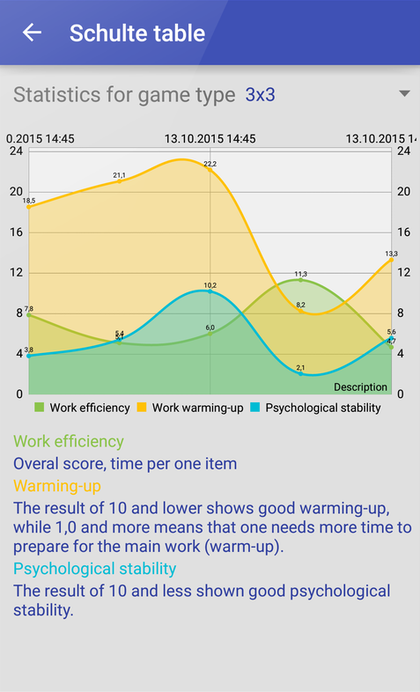
Looking for a quick way to warm up your visual search before a study session? The Schulte Table Game's Time mode lets you time yourself on a 3x3 grid, giving you a clear metric for work efficiency, warm-up, and psychological stability. By tracking these stats over time, you can see how your peripheral vision and sustained attention improve with practice. Try it here: Google Play
Schulte Table Game launches today on Product Hunt. It trains visual search speed by having you find numbers or letters in order while keeping your gaze fixed. Check the launch page and let me know what you think. https://www.producthunt.com/products/schulte-table-game?launch=schulte-table-game
Schulte Table Game launches today on Product Hunt. It's a quick visual-search drill that trains peripheral vision and sustained attention by having you find numbers or letters in order while keeping your gaze fixed in the centre.
The app offers grids from 3x3 to 7x7, a full 11x11 version, time and training modes, detailed statistics, and colour schemes. Visit the launch page and let me know what you think: https://www.producthunt.com/products/schulte-table-game?launch=schulte-table-game
A Schulte table drill works best as a brief warm-up: keep your gaze fixed, use peripheral vision, and time a few 5x5 grids. Read the full article on my site: https://www.tolsicky.com/articles/building-a-schulte-table-drill-for-short-breaks.html
Just published a new article on my site: 'Building a Schulte Table Drill for Short Breaks: The Design Decisions Behind It'. The piece explains why a quick 5-minute 5x5 table is the sweet spot for training peripheral vision and sustained attention - short, focused warm-ups keep the brain engaged without fatigue. It also covers grid sizes, time mode, colour schemes, and how to use the drill as a deliberate warm-up rather than endless practice. One useful tip: time yourself on a 5x5 grid a few times a day and aim to use peripheral vision instead of moving your eyes. The full article is on the website: https://www.tolsicky.com/articles/building-a-schulte-table-drill-for-short-breaks.html
New article: Building a Schulte Table Drill for Short Breaks: The Design Decisions Behind It
Why a Schulte table drill works better as a short, deliberate warm-up than as endless practice, and how that idea shaped the choices behind a simple attention-training app.
Do you use short, focused recall drills before reading to sharpen attention and retention? I've tried flash-and-recall exercises in Speed Reading Game. How do you train visual span and memory in your routine? Google Play
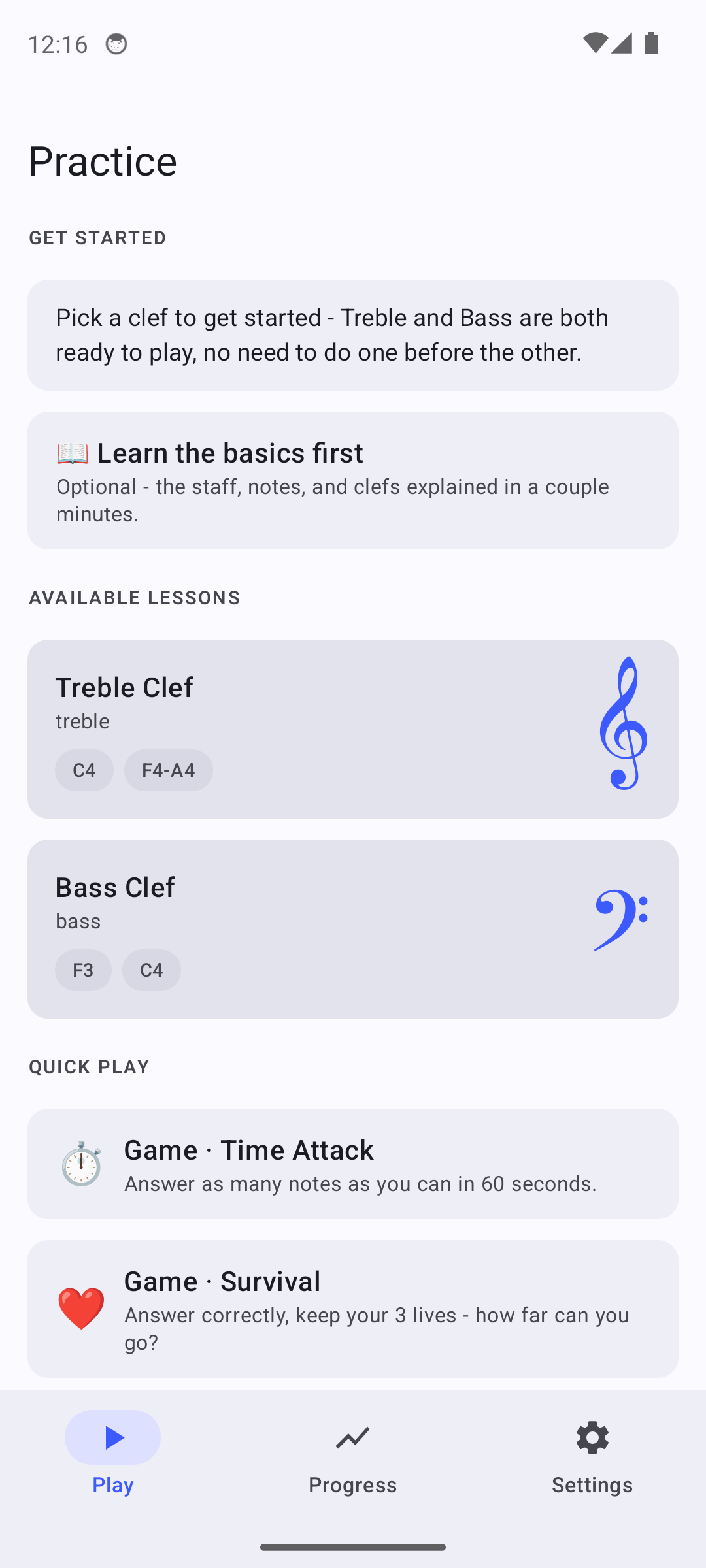
Sight Reader launches today on Product Hunt. It turns reading sheet music into a daily practice game that builds note-reading fluency in treble and bass clef. Visit the Product Hunt page https://www.producthunt.com/products/sight-reader?launch=sight-reader and let me know what you think.
I built the Schulte Table Game to give you a quick visual search warm-up. A Schulte table is a grid of shuffled numbers you find in order while keeping your gaze in the centre. It trains visual search speed and sustained attention.
The best use is a few 5x5 tables a day, timing yourself and trying to use peripheral vision instead of moving your eyes. It's ideal for speed readers, students, and anyone training focus. Try it here: Google Play
Name the lines of the bass clef from the bottom: G B D F A. Five minutes a day with very easy pieces beats one long session a week. Sight Reader drills exactly this: Google Play
Try a flash-and-recall drill: a short string appears, you type it back. It trains visual span and short-term memory. 6 difficulty levels, 54 total. Google Play
One of the biggest hurdles for new pianists is quickly locating notes on the staff. In Sight Reader I focus on landmark notes - middle C, the G line of the treble staff, the F line of the bass staff, and the high and low C ledger lines. Once you know these anchors, every other note can be read as a step or skip from the nearest anchor instead of counting lines from middle C. This turns the staff into a map and speeds up sight-reading. Try it here: Google Play
Common myth: Schulte table drills cure attention problems. Reality: they mainly speed up the specific search task. Use a few 5x5 tables daily as a quick warm-up, not a cure. Schulte Table Game Google Play
New article: Try a Quick Flash-Recall Exercise to Boost Your Reading Focus
A short exercise that trains visual span and memory through brief flash-and-recall drills.
Myth: Schulte tables instantly boost overall focus or reading speed. Truth: They train visual search speed and sustained attention by having you locate items quickly while keeping your gaze fixed. The drill mainly improves that specific task, not general attention. A simple routine is a few 5x5 tables a day, timing yourself and using peripheral vision instead of moving your eyes. If you want a quick warm-up before studying or reading, try the Schulte Table Game. Find it here: Google Play
Try a quick exercise now: open the Speed Reading Game, choose a level, and type the string that flashes for just a moment. The app uses flash-and-recall drills to train visual span and short-term memory. It offers 6 difficulty levels and 54 levels total, so you can progress gradually. Remember, the goal is to improve attention and retention, not to magically multiply your reading speed. For more practice, visit Google Play
Try a flash-and-recall drill: show a 6-character string for 1 s, then type it back. Repeat 10 times. It trains visual span and short-term memory. Speed Reading Game: Google Play
Sight Reader shows you how to locate middle C, the G line of treble, the F line of bass, and the ledger line notes. Then read each new note as a step or skip from the nearest anchor instead of counting lines. Google Play